
Wood is a critical structural material in many homes and buildings, but it can also be vulnerable to termites, moisture, and fungal growth. Over time, these factors can weaken wooden structures, leading to costly repairs and potential safety concerns.
Safewood Termite provides professional wood treatment and preservation inspections designed to protect structural wood from damage. By identifying vulnerable areas and applying appropriate protective treatments, wood can remain stronger, last longer, and resist termite activity and environmental deterioration.

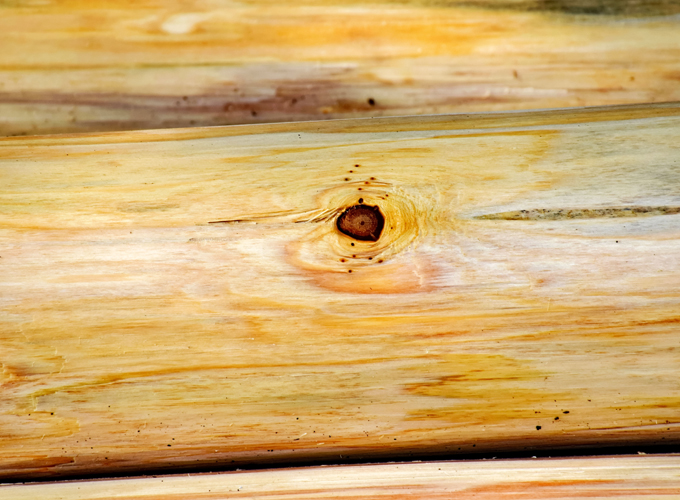
Wood deterioration often develops slowly and may go unnoticed until visible damage appears. Early warning signs can indicate that wood treatment or preservation may be necessary. Identifying these conditions early helps prevent structural damage and extend the lifespan of wood components.
Common indicators include:
| Treatment Type | Description | Common Applications |
|---|---|---|
| Surface Treatments | Protective coatings applied to exposed wood | Decks, siding, exposed beams |
| Pressure Treatments | Preservatives forced deep into wood fibers | Structural posts and outdoor wood |
| Termite Protection Treatments | Products designed to repel termites and wood-boring insects | Structural framing and crawl spaces |
| Moisture & Rot Protection | Treatments that prevent mold, mildew, and decay | Joists, beams, and damp areas |
| Eco-Friendly Wood Protection | Low-toxicity or plant-based treatments | Interior wood and decorative structures |
| Step | What We Do | Why It Matters |
|---|---|---|
| Wood Inspection | Evaluate structural wood for termite activity, decay, and moisture | Identifies early structural risks |
| Treatment Recommendation | Determine the best treatment method | Ensures the correct solution is applied |
| Wood Preparation | Clean and prepare wood surfaces | Improves treatment absorption |
| Treatment Application | Apply protective coatings or preservatives | Protects wood from pests and decay |
| Post-Treatment Evaluation | Confirm treatment coverage | Ensures long-term protection |
| Wood Risk | Potential Damage | Prevention Method |
|---|---|---|
| Termite Activity | Structural wood damage | Termite-resistant treatment |
| Moisture Exposure | Warping and weakening | Water-resistant coatings |
| Fungal Growth | Wood rot and decay | Fungicidal preservatives |
| Aging Wood | Cracking and deterioration | Restoration and sealing |
| Outdoor Exposure | Weathering, pest exposure | Pressure-treated wood protection |

Even after wood treatment, regular maintenance can help extend the life of wooden structures. Keeping wood clean and dry, maintaining ventilation in crawl spaces and attics, and inspecting for signs of pests or moisture can help prevent future problems.
Routine inspections also allow property owners to identify potential termite activity before damage spreads.