
Wood-destroying organisms (WDOs) can quietly damage structural wood inside a property. These organisms include termites, carpenter ants, wood-boring beetles, and certain fungi that weaken timber over time. Because this damage often occurs inside walls, crawl spaces, or structural framing, it may not be visible during a standard home tour.
A WDO Termite Inspection Report from Safewood Termite provides a clear evaluation of a property’s condition. The report documents signs of termite activity, wood damage, and environmental conditions that may increase the risk of infestation. These reports are commonly requested during real estate transactions and property evaluations to help buyers, sellers, and property managers make informed decisions.
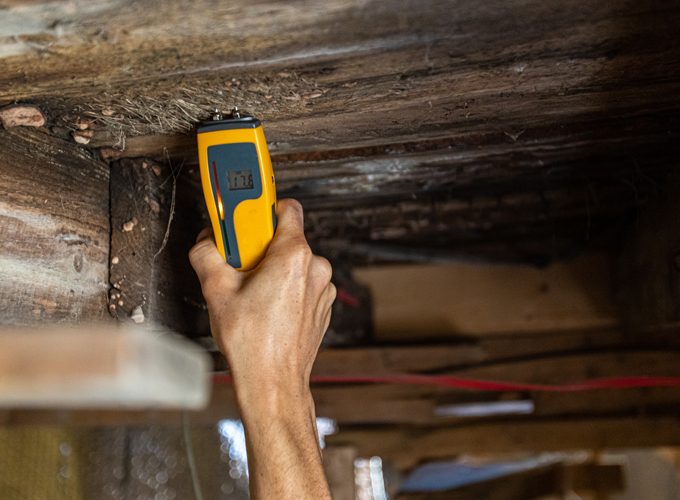

Even well-maintained properties can contain hidden structural damage caused by wood-destroying organisms. A WDO inspection report provides documentation that helps identify potential structural risks.
Benefits of a WDO inspection report include:
Environmental factors that may attract WDOs
Several organisms can damage wood structures and weaken a building’s framework.
| WDO Type | Typical Damage |
|---|---|
| Termites | Hollow wood structures and weakened framing |
| Carpenter Ants | Smooth tunnels inside wood structures |
| Wood-Boring Beetles | Small holes and powdery residue in wood |
| Wood Rot Fungi | Moisture-related decay in timber |
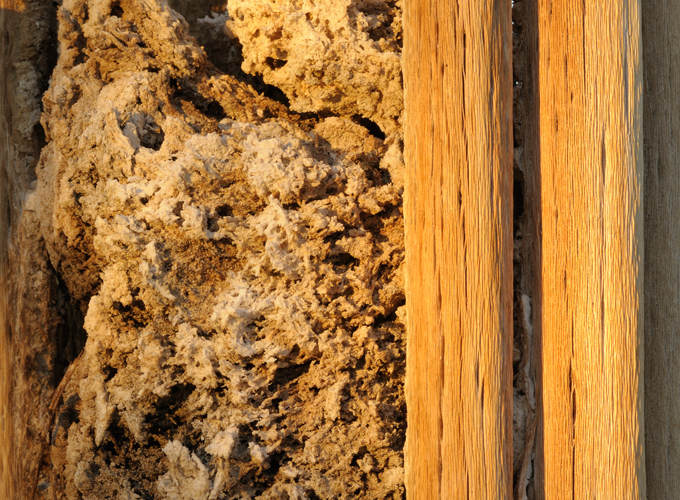
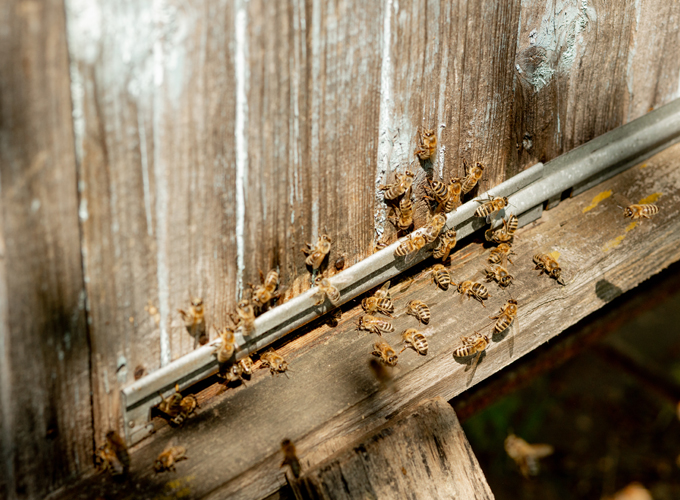
Certain areas of a property are more vulnerable to WDO activity because they contain structural wood or moisture conditions.
| Property Area | Common WDO Issues |
|---|---|
| Crawl Spaces | Termites and moisture-related fungi |
| Wall Cavities | Hidden termite or ant activity |
| Attics | Beetles or termite damage in framing |
| Decks & Exterior Wood | Termites, decay, and beetle activity |
| Roof Framing | Moisture damage and wood decay |
| Feature | Termite Inspection | WDO Inspection |
|---|---|---|
| Main focus | Termite activity | Multiple wood-destroying organisms |
| Organisms Evaluated | Termites | Termites, ants, beetles, fungi |
| Scope | Termite-specific | Broader structural wood evaluation |
| Documentation | Termite findings | Comprehensive structural report |
A WDO inspection report may be recommended in several situations.

A professional WDO inspection report provides valuable insight into the condition of structural wood and potential risks within a property.
Safewood Termite provides detailed inspection reports that help property owners and buyers understand the true condition of a building.