Signs of Termites in Your Home

Early Warning Signs of Hidden Termite Activity

Termites rarely make their presence obvious. Most infestations develop quietly behind walls, beneath flooring, or inside crawl spaces where they remain hidden for long periods. Because termites feed on wood from the inside out, visible damage often appears only after an infestation has already been active for months.

Learning to recognize the early signs of termite activity can help homeowners identify problems before structural damage becomes severe. Understanding these warning signs allows property owners to respond quickly and reduce the risk of costly repairs.
Early-Warning-Signs-of-Hidden-Termite-Activity

Common Signs of Termites

Common-Signs-of-Termites

Visible Clues That May Indicate Termite Activity

Termites leave behind several indicators that may suggest an infestation is present. Some of these signs are visible on surfaces, while others become noticeable when structural wood begins to weaken.

Common warning signs include:
Hidden Signs of Termite Damage

Hidden-Signs-of-Termite-Damage

Structural Clues That May Go Unnoticed

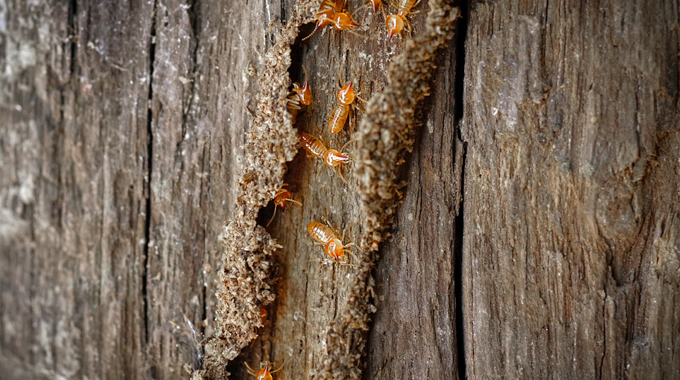
Because termites consume wood internally, some warning signs are less obvious and may require closer inspection.

Hidden indicators of termite activity may include:

These conditions may suggest termite activity occurring inside structural components.

Areas Where Termites Commonly Appear

High-Risk AreaWhy It Attracts TermitesWhat to Look For
Crawl SpacesMoisture and exposed framingMud tubes and damaged joists
FoundationsSoil contact and structural cracksShelter tubes along walls
BasementsHigher humidity levelsSoft wood or wall damage
AtticsPoor ventilation or dry woodDrywood termite activity
Decks and Exterior WoodWood-to-soil contactRotting or weakened boards
Moisture issues, untreated wood, and structural gaps can increase the likelihood of termite activity.
Swarming-Termites

Swarming Termites

A Common Indicator of an Active Colony
Swarming termites, also known as termite swarmers, are reproductive members of a colony searching for a place to establish a new nest. Swarms typically occur during warm and humid seasons and are often mistaken for flying ants.
Straight antennae
Equal-length wings
Thick, uniform waist
Finding swarmers indoors may indicate that a termite colony is already nearby.

Structural Damage Caused by Termites

Termites feed continuously on wood and can weaken important structural components over time. Areas commonly affected include:
Floor joists
Support beams
Wall studs
Roof framing
Deck supports
If infestations remain undetected, termite activity can gradually reduce the strength of these structural components.

When to Schedule a Termite Inspection

Do Not Ignore the Warning Signs

If any of the warning signs listed above appear in or around your property, a professional termite inspection can help determine whether termite activity is present.

Situations where an inspection is often recommended include:
Visible mud tubes or damaged wood
Termite swarmers appearing inside the home
Ongoing moisture or drainage issues
Buying or selling a property
A previous history of termite activity
Early inspections help identify termite activity and provide valuable insight into the condition of a structure.
When-to-Schedule-a-Termite-Inspection
Get Started Today

Protect Your Property from Hidden Termite Damage

Termites can remain hidden for long periods while slowly damaging structural wood. Recognizing the early warning signs and scheduling a professional inspection when concerns arise can help reduce the risk of costly structural repairs.
spider-top-right
spider-bot-left