
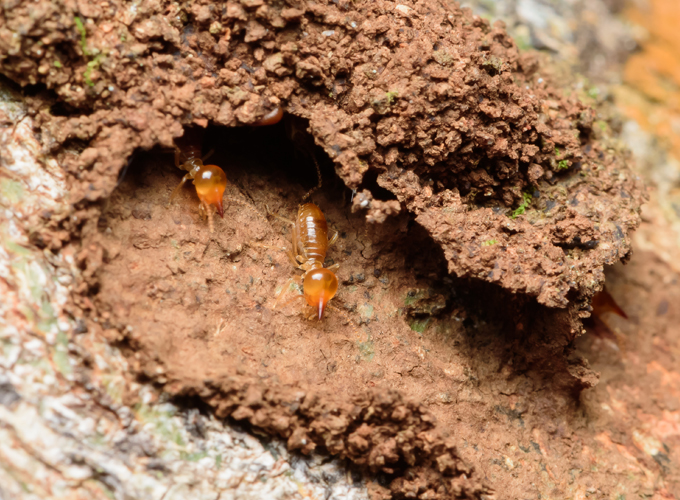
Termites are highly organized social insects that live and work in colonies. Each colony functions as a coordinated system where different types of termites perform specific roles that help the colony survive and grow. Because termites feed on cellulose found in wood and plant materials, homes and buildings can become ideal food sources once termites gain access.
Unlike many pests that feed occasionally, termites consume wood continuously. Once a colony begins feeding on structural wood, damage can gradually spread as the colony expands and searches for new food sources.
Understanding the termite life cycle and behavior helps explain how infestations develop and why termite activity can remain hidden for long periods.
| Time Frame | Colony Activity | Possible Structural Impact |
|---|---|---|
| First Months | Colony begins feeding and creating tunnels | Minor internal wood damage |
| About One Year | Colony population increases | Wood components begin to weaken |
| Multiple Years | Mature colony with swarmers | Significant structural damage possible |

Because termite colonies grow steadily and feed around the clock, infestations can expand quietly inside structural components. Swarming events often indicate that a colony has matured and is capable of spreading to new areas.
Understanding termite behavior helps property owners recognize why routine inspections and early detection are important for protecting structural wood and reducing the risk of long-term damage.