Termite Prevention Tips

Practical Steps to Reduce the Risk of Termite Infestation

Preventing termite activity is far easier and less costly than repairing structural damage after an infestation develops. Termites are attracted to moisture, exposed wood, and hidden entry points around a structure. By reducing these conditions, homeowners can significantly lower the likelihood of termite activity.

Simple maintenance practices and routine inspections can help protect structural wood and prevent termite colonies from establishing near your property.

Practical-Steps-to-Reduce-the-Risk-of-Termite-Infestation
Reduce-Termite-Entry-Points

Reduce Termite Entry Points

Protect the Foundation and Exterior Structure

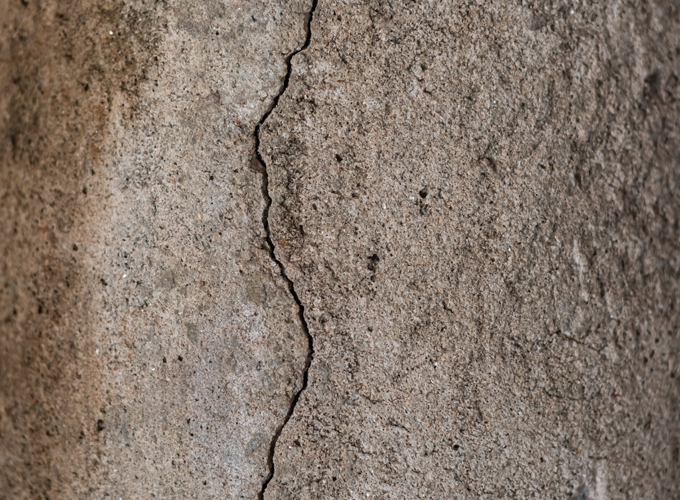
Subterranean termites travel from soil to wood through small cracks and structural gaps. Limiting these entry points is an important part of termite prevention.

Prevention StepWhy It Helps
Seal foundation cracksBlocks hidden entry points
Close gaps around pipes and utilitiesPrevents termites from entering wall voids
Repair damaged siding or trimReduces exposed structural wood
Install door sweeps and vent screensLimits exterior access
Keep soil below siding levelPrevents direct termite access

Control Moisture Around the Property

Moisture attracts termites and increases the risk of infestation around a home. Managing water near the structure helps create a less favorable environment for termite activity. Simple steps such as repairing leaks, directing downspouts away from the foundation, maintaining proper yard grading, and improving crawl space ventilation can help keep structural wood dry and reduce termite risk.

Protect Wooden Structures

Wood that touches soil provides termites with direct access to a structure. Outdoor elements such as decks, fences, and stored firewood are common starting points for termite activity. Keeping wood away from exterior walls, elevating deck posts on concrete footings, and replacing damaged or untreated wood can help reduce termite access to structural components.

Common Termite Risk Factors

Risk FactorWhy It MattersPrevention Action
Wood-to-soil contactProvides direct termite accessSeparate wood from soil
Excess moistureAttracts subterranean termitesImprove drainage
Structural gapsCreates hidden entry pointsSeal cracks and openings
Untreated woodServes as food sourceUse treated wood
Poor ventilationIncreases humidityImprove airflow
Get Started Today

Build a Long-Term Termite Prevention Plan

Termite prevention works best when multiple protective steps are combined. Structural maintenance, moisture control, and routine inspections all contribute to reducing termite risk.

Understanding how termites access structures and what conditions attract them helps property owners take proactive steps to protect their homes and buildings.

spider-top-right
spider-bot-left