
Crawl spaces are one of the most common areas where termite activity begins. These areas are dark, humid, and often contain exposed structural wood, which creates ideal conditions for termites to develop unnoticed. Because crawl spaces are rarely inspected by homeowners, termite damage can progress for long periods before visible signs appear inside the home.
Safewood Termite provides professional crawl space inspections designed to detect termite activity, identify structural risks, and uncover conditions that may attract infestations. By carefully evaluating the area beneath a structure, our inspections help property owners understand the condition of their foundation and structural framing before serious damage occurs.
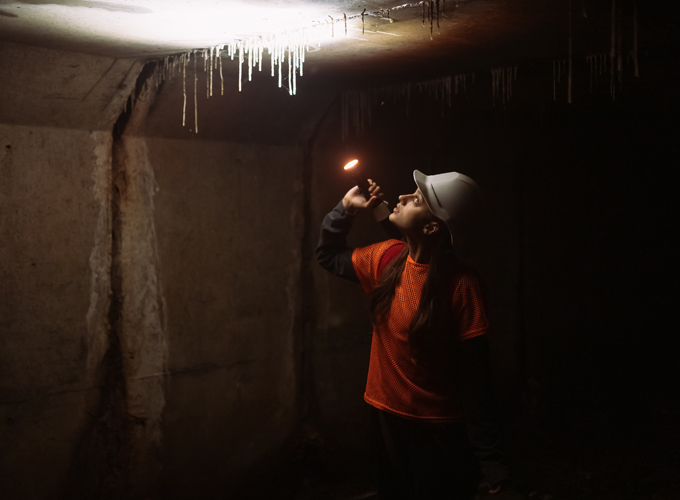
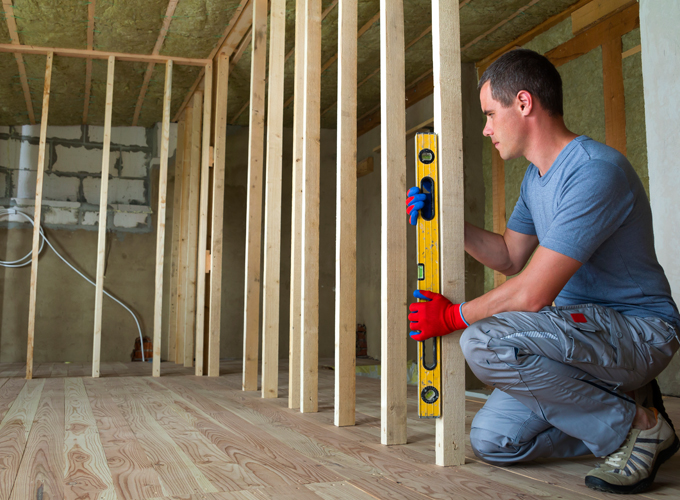
| Inspection Area | What We Look For |
|---|---|
| Structural Wood | Floor joists, beams, and sill plates for signs of termite activity or damage |
| Foundations | Mud tubes, entry points, and structural gaps |
| Crawl Space Environmen | Moisture levels and ventilation conditions |
| Soil Contact Areas | Wood touching soil or debris buildup |
| Utility Penetrations | Gaps around plumbing and electrical lines |
| Wood Damage | Signs of termite damage, rot, or fungal growth |
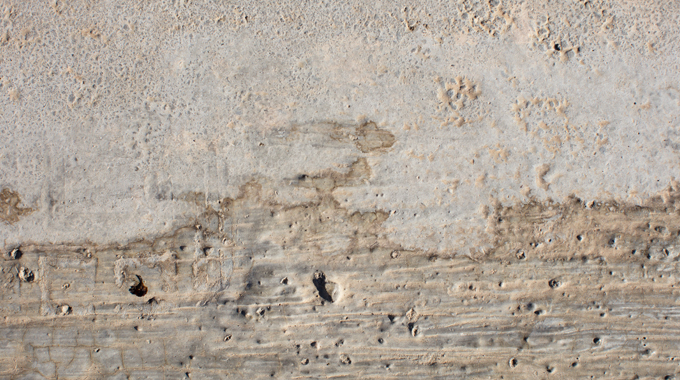
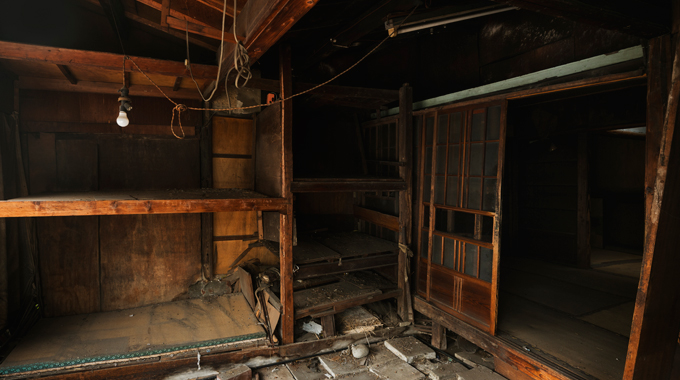
| Step | What We Do | Why It Matters |
|---|---|---|
| Crawl Space Access | Safely enter and inspect the crawl space area | Allows evaluation of hidden structural areas |
| Structural Inspection | Examine wood framing, beams, and supports | Detects termite activity and damage |
| Moisture Evaluation | Identify humidity, water intrusion, and ventilation issues | Helps reduce termite risk conditions |
| Inspection Report | Provide clear documentation of findings | Helps property owners understand structural risks |
Termite activity often begins beneath a structure where conditions allow colonies to remain hidden. A professional crawl space inspection helps detect termite activity early and identify structural risks before damage spreads.
Understanding the condition of the crawl space can help protect the structural integrity of your property and prevent costly repairs in the future.