
There is a lot of misinformation online about termites, how infestations start, and how termite problems should be handled. Many homeowners believe common myths about termites, which can delay inspections and allow damage to continue unnoticed.
Understanding the real facts about termite behavior and termite prevention helps property owners make better decisions about protecting their homes. Knowing what is true and what is not can help detect infestations earlier, avoid costly repairs, and improve long-term termite prevention.
This guide explains several common termite myths and the facts every property owner should understand.
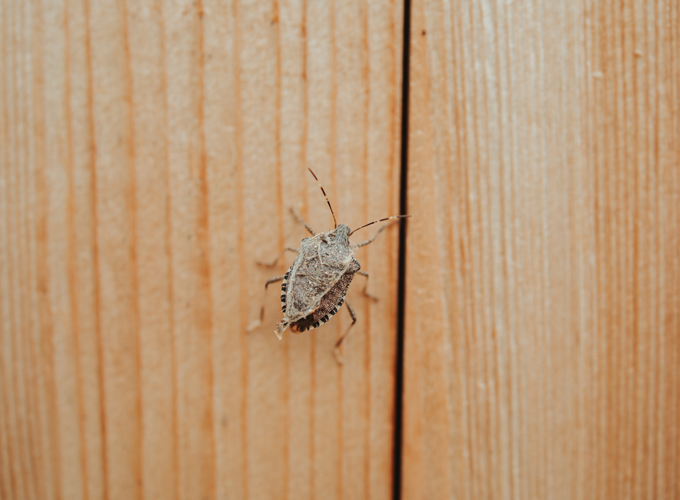
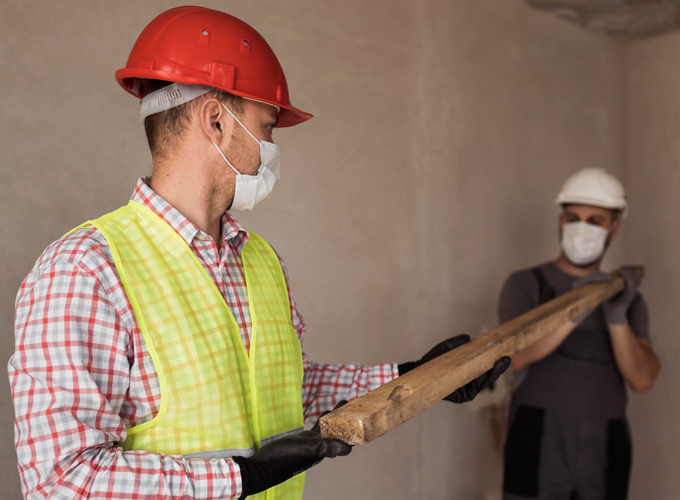
Termites cause billions of dollars in structural damage every year across the United States. One reason infestations grow so large is because termite activity often remains hidden for long periods of time.
Many property owners assume that if they do not see termites, then there is no problem. In reality, termite colonies frequently live inside walls, beneath flooring, or underground where they are difficult to detect without a professional inspection.
Learning the difference between myths and facts can help property owners:
| Termite Myth | The Real Fact |
|---|---|
| Termites are only active in spring | Subterranean termites remain active year-round in many climates |
| Brick or concrete homes cannot get termites | Termites can enter through small cracks in foundations or utility openings |
| Store-bought sprays eliminate termites | Surface sprays rarely eliminate the underground colony |
| If you don’t see termites, you don’t have them | Termites often remain hidden inside walls or structural wood |
| Termite treatment is too expensive | Repairing termite damage often costs far more than prevention |
Some people believe termites only attack older homes. While older structures may have more structural exposure, termites are attracted to any structure that contains wood and moisture.
Newer homes can still experience termite infestations if conditions allow termites to access structural wood. Small foundation cracks, moisture near the foundation, or wood-to-soil contact can all increase termite risk.
Preventive inspections help identify these conditions before termite colonies become established.
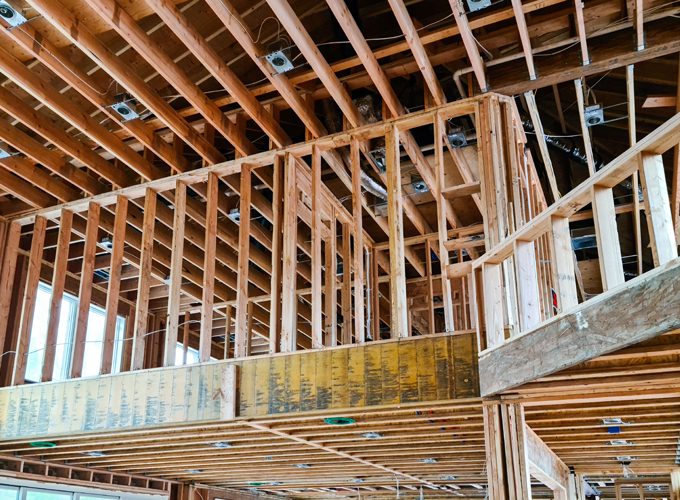
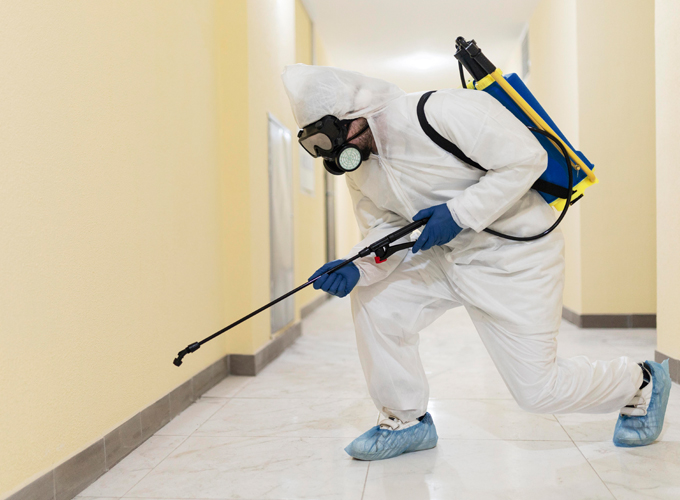
Hardware store sprays or powders may kill termites that are visible on the surface, but they usually do not eliminate the underground colony responsible for the infestation.
Subterranean termite colonies often live deep underground and may contain thousands of termites. Professional termite inspections help locate the source of the infestation and identify the areas where termite activity is occurring.
Addressing the entire colony is critical to stopping termite damage.
Flying termites are often mistaken for flying ants because both can appear around windows or lights. However, termites and ants behave very differently and require different treatment approaches.
Some common differences include:
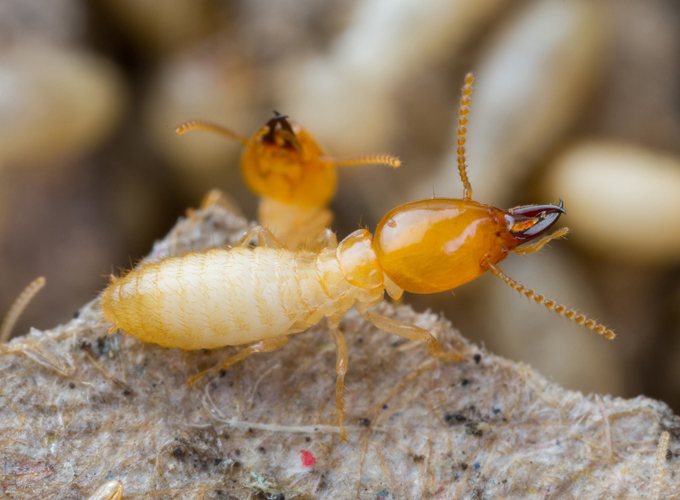
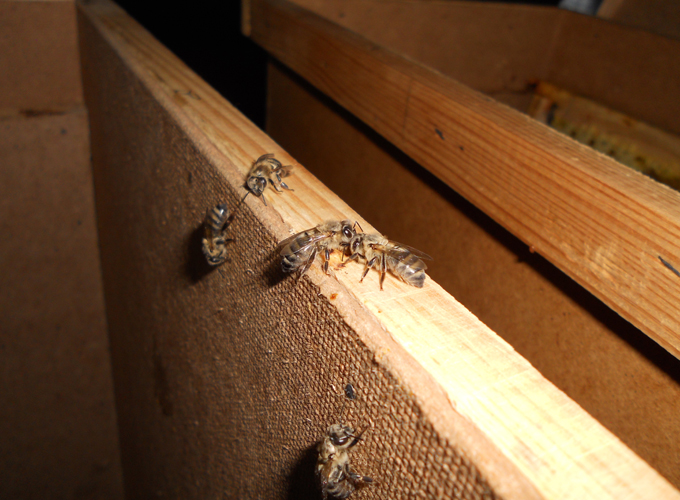
Termites are often called “silent destroyers” because they feed on wood from the inside out. By the time visible damage appears, structural wood may already be compromised.
Some hidden warning signs include:
Many property owners delay inspections because they assume termite treatment will be expensive. However, repairing termite damage often costs significantly more than preventing an infestation.
Termite damage can require repairs such as:
Professional termite inspections are one of the most reliable ways to detect termite activity and identify conditions that increase infestation risk. Inspections help locate hidden activity and document structural conditions that property owners may not see during routine maintenance.
Property owners can also reduce termite risk by maintaining dry conditions around the home, keeping wood away from soil contact, and monitoring areas where termites commonly enter structures.
Combining preventive maintenance with regular termite inspections provides the strongest protection against termite damage.