Preventing termite activity is far easier and less costly than repairing structural damage after an infestation develops. Termites are attracted to moisture, exposed wood, and hidden entry points around a structure. By reducing these conditions, homeowners can significantly lower the likelihood of termite activity.
Simple maintenance practices and routine inspections can help protect structural wood and prevent termite colonies from establishing near your property.
Protect the Foundation and Exterior Structure
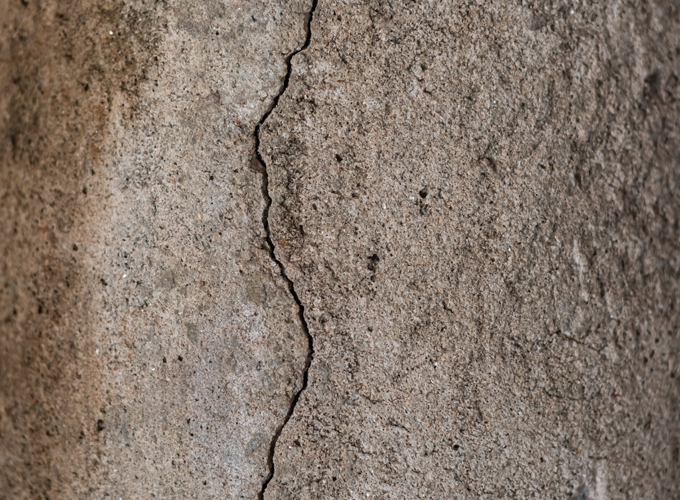
Subterranean termites travel from soil to wood through small cracks and structural gaps. Limiting these entry points is an important part of termite prevention.
| Prevention Step | Why It Helps |
|---|---|
| Seal foundation cracks | Blocks hidden entry points |
| Close gaps around pipes and utilities | Prevents termites from entering wall voids |
| Repair damaged siding or trim | Reduces exposed structural wood |
| Install door sweeps and vent screens | Limits exterior access |
| Keep soil below siding level | Prevents direct termite access |

| Risk Factor | Why It Matters | Prevention Action |
|---|---|---|
| Wood-to-soil contact | Provides direct termite access | Separate wood from soil |
| Excess moisture | Attracts subterranean termites | Improve drainage |
| Structural gaps | Creates hidden entry points | Seal cracks and openings |
| Untreated wood | Serves as food source | Use treated wood |
| Poor ventilation | Increases humidity | Improve airflow |
Termite prevention works best when multiple protective steps are combined. Structural maintenance, moisture control, and routine inspections all contribute to reducing termite risk.
Understanding how termites access structures and what conditions attract them helps property owners take proactive steps to protect their homes and buildings.