
How Termite Damage Happens

Understanding How Termites Damage Wood Structures

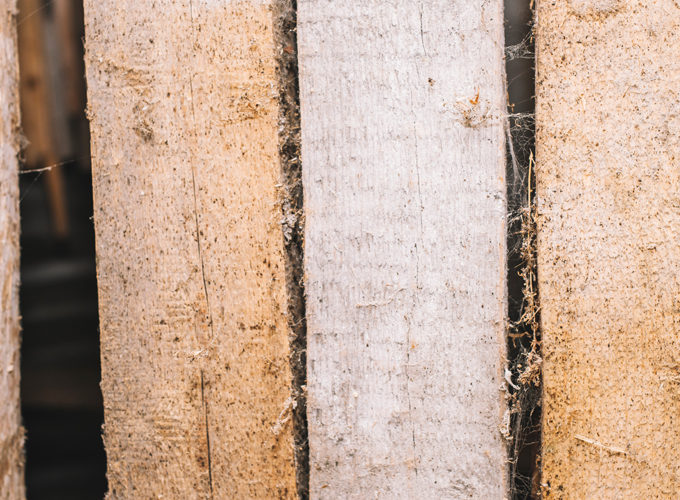
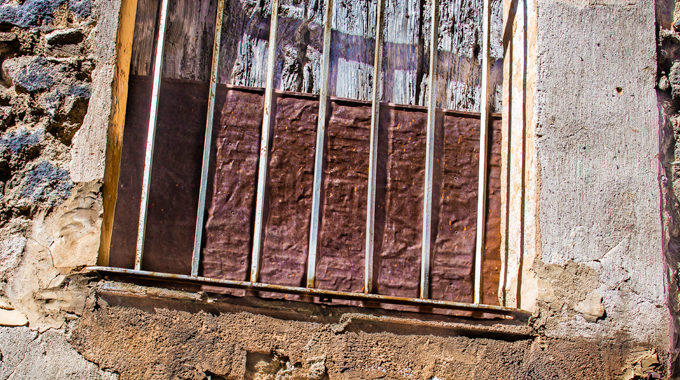
Termite damage rarely begins with obvious warning signs. Instead, the process usually starts quietly beneath floors, inside walls, or along foundations where termites can remain hidden. A small group of worker termites gains access to wood and begins feeding. Over time, more workers join, tunnels expand, and structural wood slowly becomes hollowed from the inside.

Because termites often remain concealed while feeding, damage can continue for months or even years before it becomes visible. Understanding how termite damage develops helps property owners recognize why early detection is important for protecting structural wood.
Understanding-How-Termites-Damage-Wood-Structures

How Subterranean Termites Enter a Structure

How-Subterranean-Termites-Enter-a-Structure

Most structural termite damage is caused by subterranean termites. These termites live in underground colonies and build protective mud tubes that allow them to travel between soil and wood while staying protected from light and dry air.

Termite activity often begins when certain conditions make access to wood easier, such as:
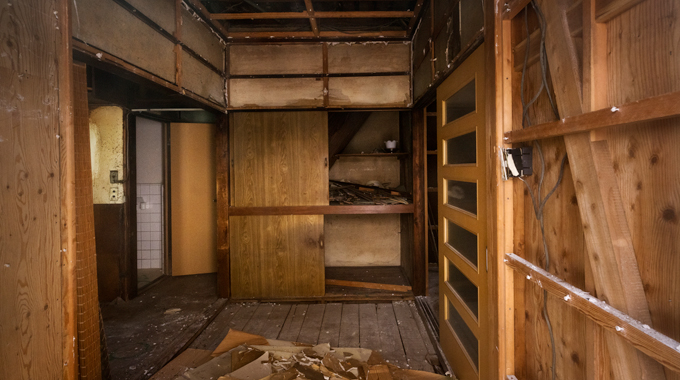
Once termites reach structural wood, worker termites begin feeding and expanding tunnels inside the material.

Termites Damage Wood From the Inside Out

Termites-Damage-Wood-From-the-Inside-Out

Unlike many forms of wood damage that occur on the surface, termite damage usually develops inside the wood itself. Worker termites carve tunnels called galleries through beams, joists, and framing components while leaving a thin outer layer intact.

Because of this, wood may appear normal on the outside even though significant damage has already occurred internally. Common warning signs of internal termite damage include:

As feeding continues, the structural strength of the wood gradually decreases.

How Termite Damage Progresses Over Time

The amount of damage termites cause increases as the colony grows. A mature termite colony can contain hundreds of thousands of worker termites feeding continuously.
StageWhat Is HappeningPossible Structural Impact
Early ActivitySmall feeding tunnels begin formingMinor internal wood damage
Colony GrowthWorker population increasesWood components begin weakening
Mature ColonyLarge-scale feeding activityStructural framing may weaken
Long-Term ActivityColonies expand or new colonies formGreater structural damage risk
Areas-of-a-Home-Most-Vulnerable-to-Termite-Damage

Areas of a Home Most Vulnerable to Termite Damage

Termites typically target structural areas where wood and moisture are present. Common vulnerable areas include:
Moisture conditions such as plumbing leaks, poor drainage, or humid crawl spaces can increase the likelihood of termite activity.
Why Early Detection Is Important
Termite damage develops gradually but can become significant if infestations remain undetected. Identifying early warning signs and scheduling inspections when concerns arise can help property owners understand the condition of their structure and address potential risks sooner.
Common warning signs that should not be ignored include:

Mud tubes on foundations or walls

Swarming termites indoors

Hollow-sounding wood

Blistering paint on wooden surfaces

Sagging or uneven flooring

Why-Early-Detection-Is-Important
Get Started Today
Protect Your Property with Knowledge
Learning how termite damage happens helps property owners better understand the risks termites pose to structural wood. Educational resources and routine inspections can help identify conditions that may attract termites and allow early detection of potential problems.
spider-top-right
spider-bot-left