
Termite damage can remain hidden inside framing, floor systems, crawl spaces, and wall structures long after an infestation begins. Even when termite activity is no longer present, damaged wood can weaken the structure and reduce the stability of a building.
Safewood Termite provides professional termite damage inspections designed to evaluate structural wood and identify areas affected by termite activity. Our inspections help property owners understand the extent of damage and determine the next steps needed to restore the structure.
When repairs are required, we help coordinate with qualified professionals so property owners can address structural damage properly and prevent future problems.
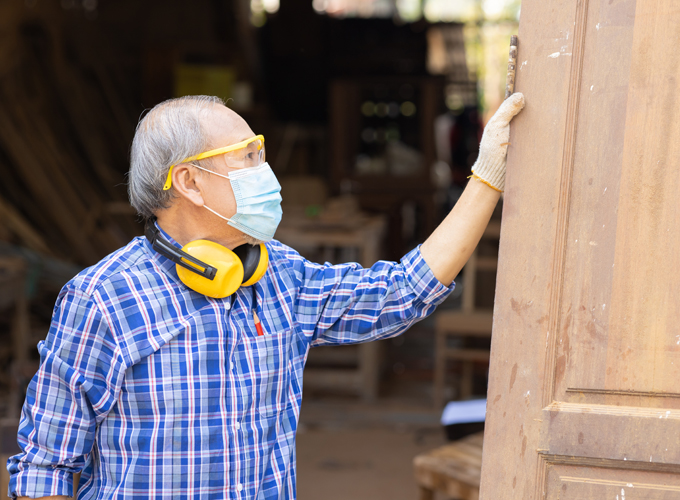

| Inspection Area | What We Evaluate |
|---|---|
| Structural Framing | Floor joists, beams, and support structures |
| Subfloor Systems | Signs of weakened flooring or structural damage |
| Sill Plates | Wood connecting the structure to the foundation |
| Wall Framing | Interior structural wood and support studs |
| Crawl Spaces & Attics | Hidden areas where termite damage may spread |
| Moisture Conditions | Environmental factors that may attract termites |
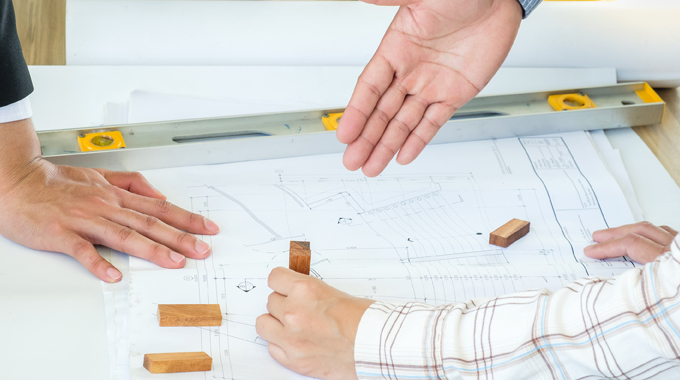
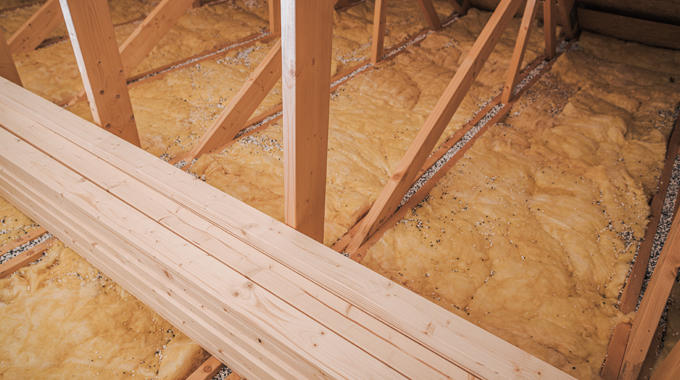
| Step | What We Do | Why It Matters |
|---|---|---|
| Damage Assessment | Inspect structural wood for termite damage | Identifies affected structural areas |
| Structural Evaluation | Evaluate framing and load-bearing components | Determines repair requirements |
| Inspection Report | Provide clear documentation of findings | Helps property owners understand the condition |
| Repair Coordination | Assist in coordinating qualified repair professionals | Ensures repairs are properly completed |
Termite damage can weaken important structural components of a property. A professional termite damage inspection helps identify affected areas and determine the best path forward for repairs.
Early evaluation and proper repair coordination can help restore structural integrity and protect the long-term value of your property.