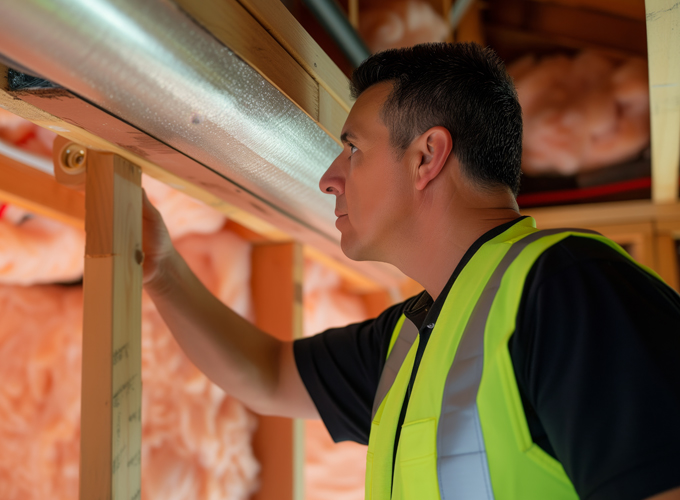
Termites can remain hidden inside walls, crawl spaces, and structural wood for long periods before damage becomes visible. Because infestations often develop quietly, routine inspections are one of the most effective ways to protect a property from structural termite damage.
An Annual Termite Inspection from Safewood Termite helps identify early signs of termite activity, structural vulnerabilities, and environmental conditions that may allow infestations to develop. Regular inspections allow property owners to detect problems early and avoid costly structural repairs
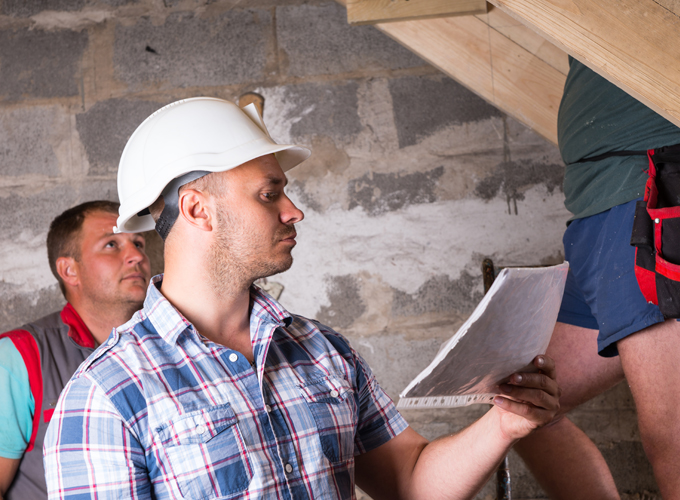
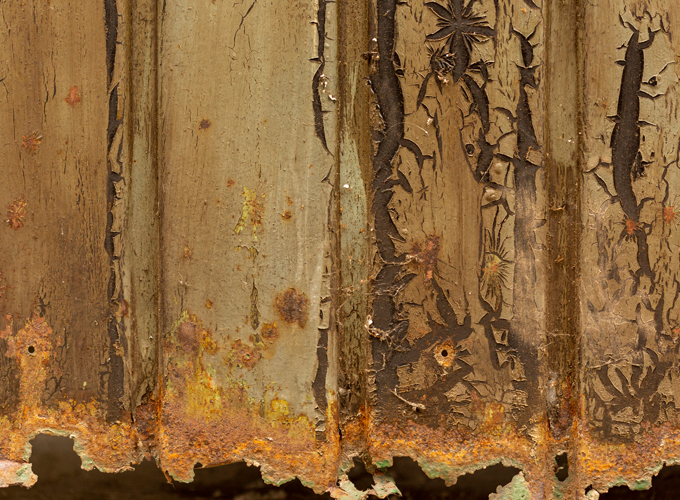
Termites are difficult to detect without a professional inspection because they often remain hidden inside structural wood. By scheduling a yearly inspection, property owners can monitor structural conditions and identify termite risks before serious damage occurs.
Annual inspections help:
| Inspection Step | What We Evaluate | Why It Matters |
|---|---|---|
| Visual Structural Inspection | Walls, floors, ceilings, and wooden supports | Detect visible termite activity |
| Moisture Evaluation | Crawl spaces, plumbing areas, foundations | Moisture attracts termites |
| Hidden Activity Detection | Structural wood and concealed spaces | Identifies infestations early |
| Risk Documentation | Structural damage or vulnerable areas | Helps plan repairs or prevention |
| Exterior Evaluation | Landscaping and wood-to-soil contact | Reduces environmental risk factors |
| Warning Sign | What It May Indicate |
|---|---|
| Mud tubes on foundations | Termites traveling between soil and wood |
| Hollow-sounding wood | Internal termite feeding |
| Discarded wings | Presence of termite swarmers |
| Cracked or damaged wood | Possible termite entry or feeding areas |