Real Estate Termite Inspections

Termite Inspections for Home Buyers, Sellers, and Property Transactions

Buying or selling a home is one of the most important financial decisions most people make. While a property may appear well maintained on the surface, termite activity can remain hidden inside walls, crawl spaces, and structural wood for long periods.

A real estate termite inspection helps identify signs of termite activity, structural damage, or conditions that may increase infestation risk. These inspections provide valuable information that helps buyers, sellers, and real estate professionals understand the true condition of a property before a transaction is finalized.

real-estate-termite-inspection

Who Benefits from a Real Estate Termite Inspection

Real estate termite inspections help several parties involved in a property transaction.

Home Buyers

Confirm the property condition and identify hidden termite damage before purchase

Home Sellers

Address potential concerns early and improve buyer confidence
Real Estate Agents
Help transactions move smoothly by providing clear inspection documentation
Property Investors
Evaluate structural risks before acquiring an investment property
termite-inspection-home-foundation

What a Real Estate Termite Inspection Includes

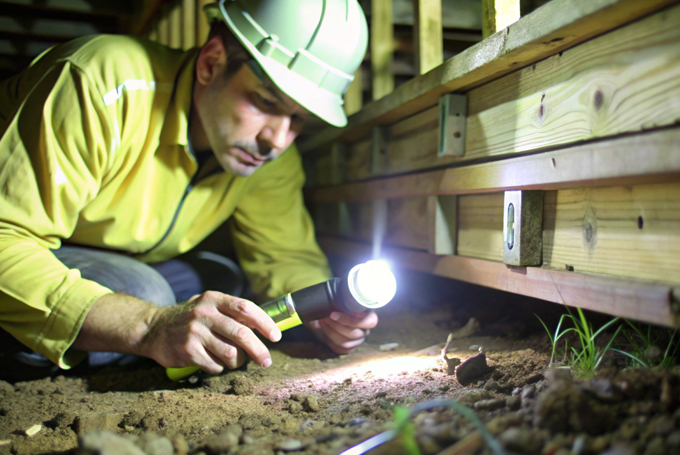
A termite inspection involves a detailed evaluation of areas where termite activity commonly occurs. Inspectors look for visible signs of termites, structural damage, and environmental conditions that may attract infestations.
Areas Commonly Inspected

Interior Areas

Walls and baseboards
Window and door frames
Wooden flooring and trim
Cabinets and wooden fixtures
Ceiling and roof supports
Exterior Areas
Foundations and perimeter walls
Decks and outdoor wood structures
Garden structures and fences
Soil areas surrounding the home
Structural Components
Wooden beams and framing
Roof trusses and attic structures
Crawl spaces and basements
Subfloor areas beneath the home

Why Termite Inspections Are Important in Real Estate

Many property transactions include termite inspections as part of the due diligence process. Buyers, lenders, and real estate professionals often rely on these inspections to confirm the structural condition of the property.

Termite inspections are commonly requested during:

Property purchase agreements

Mortgage lender requirements

Investment property acquisitions

Pre-listing property evaluations

Inspection reports provide documentation that can help support property negotiations and decision making.
termite-inspector-crawl-space-check
Technician-inspecting-crawl-space-framing

Areas of a Property Most Vulnerable to Termites

Some parts of a home are more vulnerable to termite activity due to moisture, soil contact, or exposed structural wood.
High Risk AreaWhy It Is Vulnerable
Foundations and exterior wallsTermites often build mud tubes from soil to wood
Crawl spacesHumid environments attract termite colonies
Wooden decks and fencesDirect wood-to-soil contact creates easy access
Attics and roof framingTermites may travel upward through walls

When to Schedule a Real Estate Termite Inspection

Inspector-reviewing-notes-during-inspection
Timing is important during property transactions. Scheduling a termite inspection early can help prevent delays and identify potential issues before closing. Inspections are often requested before listing a home, during the buyer inspection period, or prior to finalizing the sale.

Prepare Your Property for an Inspection

real-estate-termite-inspection-report
Preparing the property before a termite inspection can help make the process more efficient and allow inspectors to access key structural areas.
Simple preparation steps include:
Get Started Today

Protect Your Real Estate Investment

Understanding the termite condition of a property is an important part of any real estate transaction. A professional inspection can help identify hidden risks, support informed decisions, and provide greater confidence during the buying or selling process.
spider-top-right
spider-bot-left