
Homeowners and property owners often have questions about termites, inspections, and how to protect their property from damage. This page answers some of the most common questions about termite activity, inspection services, and prevention strategies.
Safewood Termite specializes in professional termite inspections that help identify termite activity, structural risks, and conditions that may lead to infestations. If you suspect termites or want to protect your property, our inspection services can help provide clear answers.
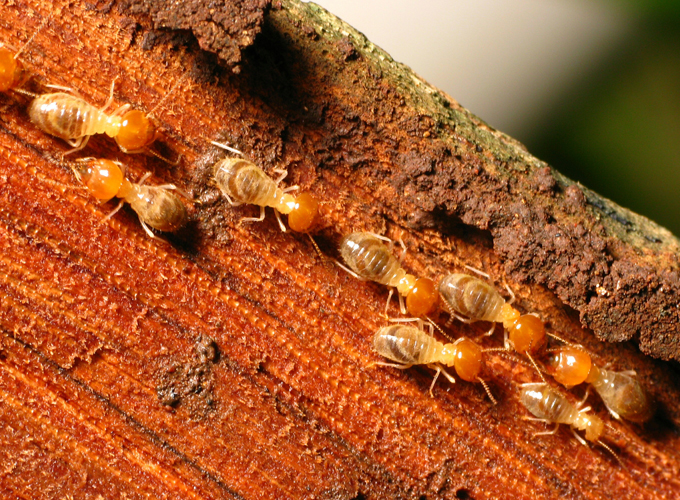
The three most common types of termites found in structures include subterranean termites, drywood termites, and dampwood termites. Subterranean termites are the most destructive and typically live in soil before entering structures through foundations or structural gaps. Drywood termites live directly inside wood, while dampwood termites prefer wood that has high moisture levels.
Learn more about termite types in our Termite Information Center.
Termites often remain hidden, but several warning signs may indicate activity inside a structure.
Common signs include:
Most residential termite inspections take between 30 minutes and 90 minutes, depending on the size of the property and accessibility of inspection areas such as crawl spaces or attics.
During the inspection, technicians evaluate structural wood, foundations, crawl spaces, and other vulnerable areas to identify signs of termite activity or conditions that may increase risk.
Store-bought termite sprays or treatments may kill visible termites, but they rarely eliminate the entire colony. Termite colonies often exist underground or inside structural wood where surface treatments cannot reach them.
A professional termite inspection helps identify the source of termite activity and determine the most appropriate solution.
Inspection costs vary depending on factors such as property size, structure type, and inspection requirements for real estate transactions.
Visit our Pricing page to learn more about inspection services and available options.
Yes. Termite inspections are non-invasive and do not involve applying chemicals or treatments. Inspectors simply evaluate structural areas of the property and document any signs of termite activity or risk conditions.
This process helps property owners understand the condition of the structure without disrupting daily activities.
Most properties benefit from annual termite inspections to help detect termite activity early. Homes with previous infestations, crawl spaces, or high moisture conditions may benefit from more frequent inspections.
Regular inspections help identify potential problems before structural damage develops.
Termites can return if conditions around a property remain favorable. Moisture problems, wood-to-soil contact, and structural gaps can allow new colonies to enter.
Routine inspections and preventive maintenance help reduce the risk of future infestations.