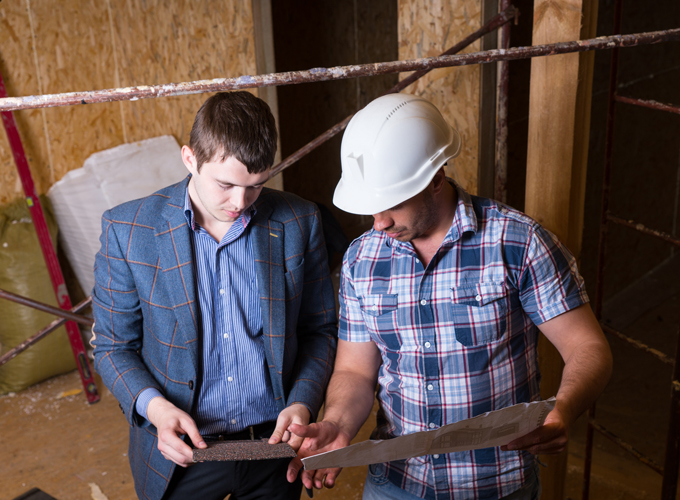
Termites can remain hidden inside walls, crawl spaces, and structural wood for long periods of time before obvious damage appears. Because termite colonies often develop underground or inside protected areas of a structure, many property owners are unaware of a problem until structural damage begins to appear.
Professional termite inspections help identify early warning signs, uncover hidden termite activity, and document structural conditions that may increase the risk of infestation. By detecting termite activity early, property owners can better protect their homes, businesses, and real estate investments from costly repairs.
The following case studies highlight real inspection scenarios where termite activity was discovered during professional evaluations. These examples demonstrate how inspections can identify problems early, provide valuable documentation, and help property owners understand the condition of their property.
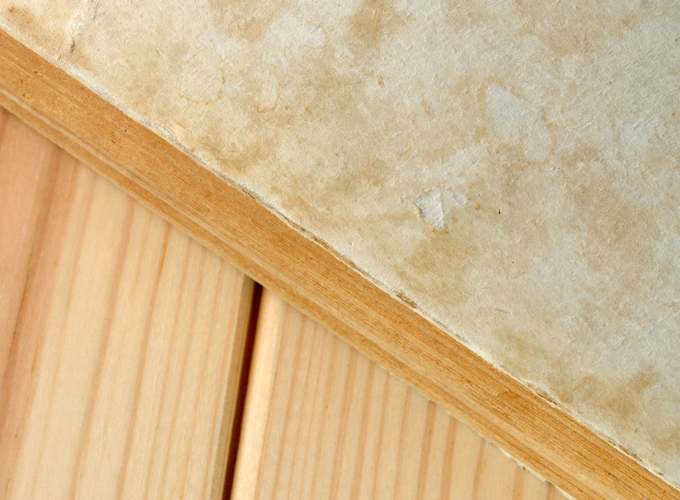
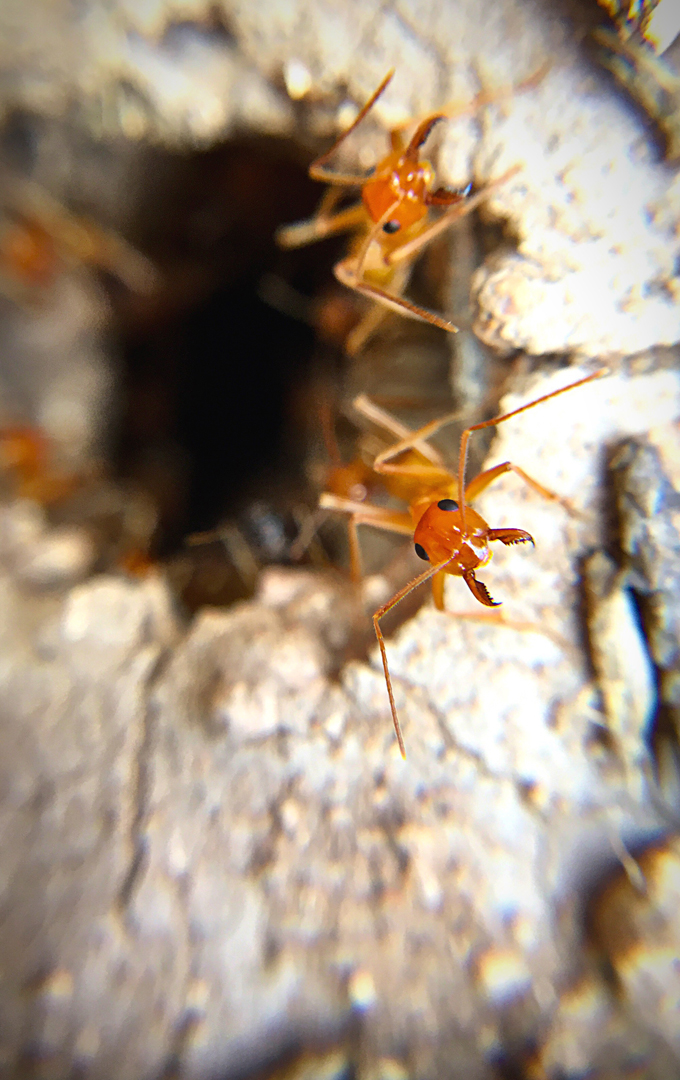
The homeowner initially noticed that the hallway floor felt slightly soft when walking across it. There were also small areas where the paint along the baseboards appeared to bubble slightly. These signs did not immediately appear serious, but the homeowner decided to schedule a termite inspection to rule out possible structural issues.
Because termites often remain hidden beneath flooring or inside crawl spaces, even minor warning signs can indicate a developing infestation.
During the crawl space inspection, mud tubes were discovered running along the concrete foundation and extending toward the structural beams supporting the floor above. These mud tubes are commonly built by subterranean termites to travel between soil and wood while maintaining moisture.
Further inspection revealed that termites had begun feeding on several wooden support beams beneath the structure. Moisture accumulation in the crawl space had created ideal environmental conditions for termite activity.
Case Study
Employees working in a restaurant storage area noticed that a section of wooden shelving felt unusually soft when pressure was applied. They also observed that a nearby wall panel appeared slightly warped near the floor.
Although the damage initially appeared minor, the business owner requested a termite inspection to determine whether structural pests were involved.
During the inspection, termite activity was discovered within wall voids near the storage area. Mud tubes were located behind the baseboard along the interior wall, indicating that subterranean termites had entered the structure from the soil outside the building.
Inspectors also evaluated the exterior foundation and identified several areas where small gaps allowed potential termite entry points.
Case Study
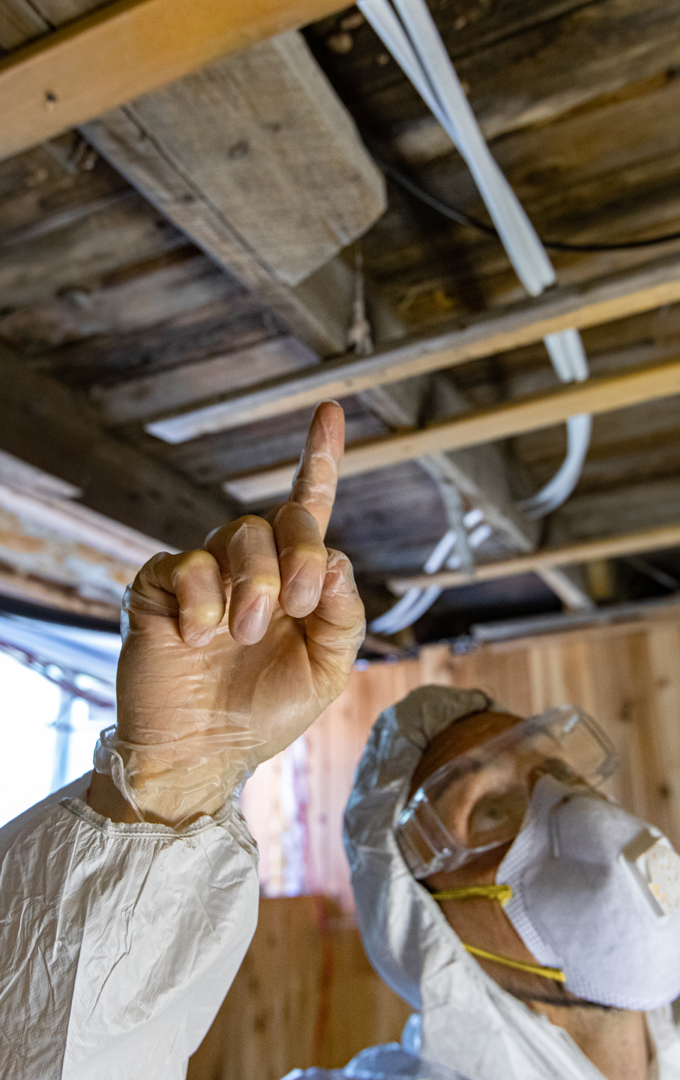
Before new tenants moved into a rental property, the property owner scheduled a routine termite inspection to ensure the home was in good condition. Preventive inspections are often recommended for rental properties because they help identify potential structural risks before tenants move in.
At first glance, the property appeared well maintained with no obvious signs of termite damage.
During the inspection, small mud tubes were discovered along the slab edge near the exterior foundation. While the infestation was still in its early stages, these mud tubes indicated that subterranean termites had begun exploring the structure.
Fortunately, the termites had not yet reached the primary structural wood components of the home.
Case Study
During the inspection, several areas of termite activity were discovered along the exterior foundation and near a wooden deck structure attached to the home.
The inspection also identified conditions that could increase the risk of termite infestations, including wood-to-soil contact and elevated moisture levels near the foundation.